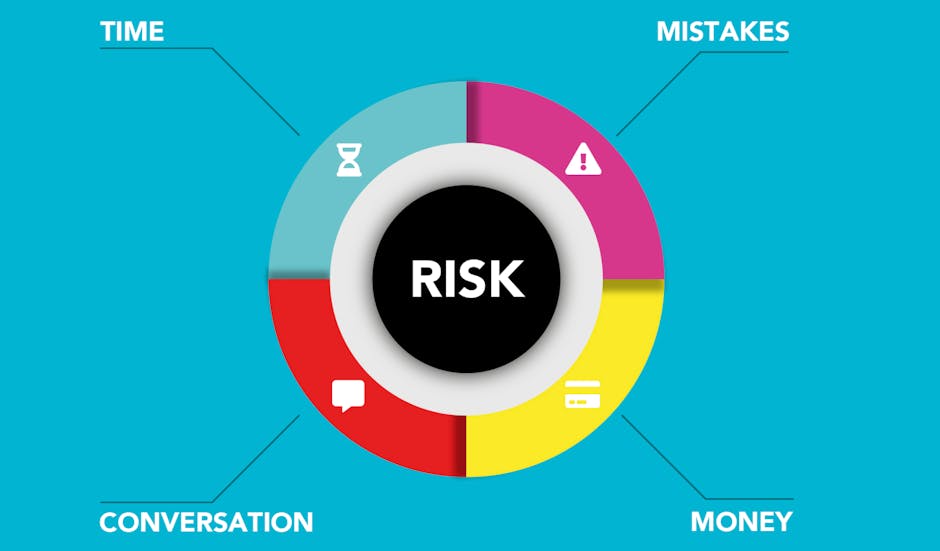
How to Surface Risks Early With Daily Updates: A Practical Guide
TL;DR
- •Early risk identification requires structured daily communication focused on potential blockers and dependencies.
- •Use a clear risk-reporting framework: Current Status → Potential Issues → Required Support.
- •Daily updates should highlight yellow flags before they become red flags.
How to Surface Risks Early With Daily Updates: A Practical Guide
What are early warning signs in projects?
Definition: Early warning signs — subtle indicators that signal potential future problems before they become critical issues that impact project delivery or team performance.
Most project failures don't happen overnight. They start with small signs that often go unreported because team members either:
- Don't recognize their significance
- Feel uncomfortable raising "minor" concerns
- Lack a structured way to communicate potential risks
Why traditional risk reporting fails
Definition: Risk blindness — the tendency to overlook or downplay early warning signs until they evolve into actual problems that impact deadlines or deliverables.
Typical risk reporting has three major flaws:
- It's too periodic (weekly/monthly reviews)
- It focuses on current problems, not emerging risks
- It lacks a safe space for raising "gut feeling" concerns
Manager scan (2-minute digest example)
🔍 Risk Indicators Today:
- Backend: API response times trending up (still within limits)
- Design: Resource constraints may impact next sprint
- Sales: New feature questions from 3 enterprise clients
- Infrastructure: AWS costs +15% this month
- Support: Increasing tickets about mobile sync
- Marketing: Campaign timeline tight due to dependencies
How to structure risk-focused daily updates
Use this three-part framework for daily updates:
- Current Status
- What's working as expected
- Recent wins or progress
- Potential Issues (Yellow Flags)
- Early signs of possible problems
- Dependencies that might become blockers
- Resource constraints on the horizon
- Required Support
- Specific asks for help or decisions
- Resources or clarification needed
Tool tip (AIAdvisoryBoard.me): Teams using AIAdvisoryBoard structure their daily updates with a Fact → Plan → Blockers flow that makes risk identification natural. The system automatically highlights patterns and potential issues in the manager digest, helping leaders spot trends before they become problems. Try it for clearer risk communication: https://aiadvisoryboard.me/?lang=en
Examples of good vs weak risk signals
Weak (too vague):
- Things are mostly on track
- Might have some challenges soon
- Project is going okay but busy
Strong (specific and actionable):
- Database queries taking 20% longer than last week
- Two team members requested same week off next month
- New feature testing reveals edge cases we didn't plan for
Daily update template for risk visibility
Daily Update: [Date]

Status:
- Completed: [Key achievements]
- In Progress: [Current focus]

Emerging Risks:
- [Area]: [Specific observation or trend]
- Impact if unaddressed: [Potential consequences]
- Suggested mitigation: [Proposed solution or need]

Needed Support:
- Decisions required: [List specific questions]
- Resources needed: [Be specific about what and when]

Timeline Impact:
- Current timeline: [On track / At risk / Delayed]
- Early warning indicators: [What might affect this]
How to create psychological safety for risk reporting
Definition: Psychological safety — an environment where team members feel comfortable raising concerns, questions, and potential risks without fear of negative consequences.
To encourage early risk reporting:
- Reward early identification of issues
- Never shoot the messenger
- Make it part of daily routine
- Focus on solutions, not blame
- Acknowledge and act on reported risks
Micro-case (what changes after 7-14 days)
A software development team started using structured daily updates focused on risk identification. Within two weeks, they noticed a pattern of increasing technical debt in a specific module through daily observations about code complexity and test coverage. Instead of discovering this during their monthly review, they were able to address it immediately. Their manager could make informed decisions about allocating refactoring time before it impacted the release schedule.
Common risk patterns to watch for
Link these indicators to your daily updates:
- Resource Patterns
- Overtime trending up
- Multiple vacation requests
- Increasing context switching
- Technical Patterns
- Growing bug backlog
- Increasing support tickets
- Performance metric changes
- Communication Patterns
- Missed updates
- Vague progress reports
- Decreasing team interaction
Tool tip (AIAdvisoryBoard.me): Using AIAdvisoryBoard's structured daily updates helps teams maintain a clear view of emerging risks. The platform automatically aggregates early warning signs into actionable insights, helping managers spot patterns across teams. Skip the manual tracking and get a clear risk overview: https://aiadvisoryboard.me/?lang=en
FAQ
How often should teams report potential risks?
Daily updates should include a dedicated section for potential risks. This creates a continuous flow of early warning signals rather than waiting for weekly or monthly reviews.
What if I'm not sure if something is a real risk?
If you notice something unusual or concerning, include it in your update. It's better to report a potential risk that turns out fine than miss an early warning sign.
How do I avoid creating unnecessary panic?
Focus on objective observations and specific data points rather than assumptions. Always include context and potential impact levels.
Should I include risks that others might already know about?
Yes. Multiple perspectives on the same risk help create a more complete picture and might reveal different aspects of the issue.
Summary and next steps
Effective risk identification starts with daily communication that makes it easy and natural to surface potential issues. The key is having a structured format that captures both current status and emerging risks.
Start tomorrow by adding a "Potential Risks" section to your daily updates, focusing on specific observations rather than general concerns.
If you want this to run with less effort, using a structured Fact → Plan → Blockers flow and a manager digest that automatically surfaces patterns, try AIAdvisoryBoard for streamlined risk communication.
The pillar guide for "Blockers & Risks" linking every article in this cluster.

Implements AI agents in companies and teaches founders and their teams to work with them — through courses and corporate programs.
This article was prepared with AI assistance, based on Yaroslav Maxymovych's methodology and materials. Spotted an inaccuracy — let us know via the form below.
Your company's first 3 AI automations — in 2 weeks
A corporate AI-transition program: 4 live sessions with your team plus a video course for every employee. Up to 20 people for one fixed price. If it doesn't work — money back.
New case studies on AI adoption — in your inbox
Once a week: practical breakdowns of what companies automate with AI and what actually comes out of it.
No spam. Unsubscribe anytime.
Related Articles

Writing a Daily Report on a Day Nothing Shipped (Without Sounding Lazy)
Learn how to craft a daily report that communicates value even when nothing tangible was completed. Tips for founders and leaders.
Read more
How to Write Blockers in Standup: From Vague Issues to Clear Action Items
Learn how to write blockers in standups effectively—turning vague issues into clear, actionable steps that keep teams unblocked and projects on track.
Read more
How to Write Effective Status Updates: Clear Communication in 5 Minutes
Learn how to write effective status updates that are clear, concise, and actionable. Use a structured Fact → Plan → Blockers format to improve communication and save time.
Read more