GPT-4.0125 Preview
At a glance
- Price per 1M tokens (input)
- $10.00
- Price per 1M tokens (output)
- $30.00
- Context
- 128,000 tokens
- Free access
- yes (see below)
Refreshed daily; data verified September 29, 2026. Published August 12, 2026.
GPT-4.0125 Preview is a research-oriented model from OpenAI designed for developers and technical teams who need to experiment with advanced agentic workflows. Its standout feature is native tool calling, which lets the model invoke external functions or APIs during a conversation, making it suitable for tasks like database queries, automated scheduling, or multi-step data retrieval. The vendor's approach emphasizes iterative previews, giving early access to evolving capabilities while gathering feedback to refine production-ready versions. This model suits teams that prioritize flexibility and are comfortable managing the trade-offs of a preview release.
Specifications & pricing
| Input (per 1M tokens) | $10.00 |
|---|---|
| Output (per 1M tokens) | $30.00 |
| Context window | 128,000 tokens |
| Max output | 4,096 tokens |
| Capabilities | tool calling |
LiteLLM community dataset (MIT), verified September 22, 2026. Official OpenAI pricing.
What GPT-4.0125 Preview would cost on your workload — run it through the cost calculator →
Where to try GPT-4.0125 Preview for free
- OpenAI offers a free chat — ChatGPT (free plan). A vendor's free chat may run a different model from the same family — the exact model is not guaranteed.
Frequently asked questions
What is this model best used for?+
It excels at tasks that require structured interaction with external systems, such as calling a weather API, fetching user records, or triggering a payment workflow. The tool calling feature allows it to decide when to use a specific function, making it ideal for building assistants that need to perform actions rather than just generate text.
How do I get started with using it?+
You can access it through the vendor's API by selecting the model identifier in your request. For tool calling, you define a set of functions with clear schemas, then include them in your API call. The model will output a structured request to invoke a function, which your application executes and returns the result to the model for further reasoning.
How does it differ from other models in the same line?+
This preview focuses on improving tool calling reliability and decision-making, whereas sibling models may prioritize general conversation or creative writing. It is more experimental, meaning it may have different behavior in edge cases, and it is intended for developers who want to test the latest improvements before they are rolled into stable releases.
What are its limitations?+
As a preview, it may be less polished than production models, with occasional inconsistencies in tool selection or response formatting. It is not optimized for high-volume enterprise use, and you should expect potential changes in behavior as the vendor updates it. Also, it may require more careful prompt engineering to avoid unintended function calls.
Compare with others
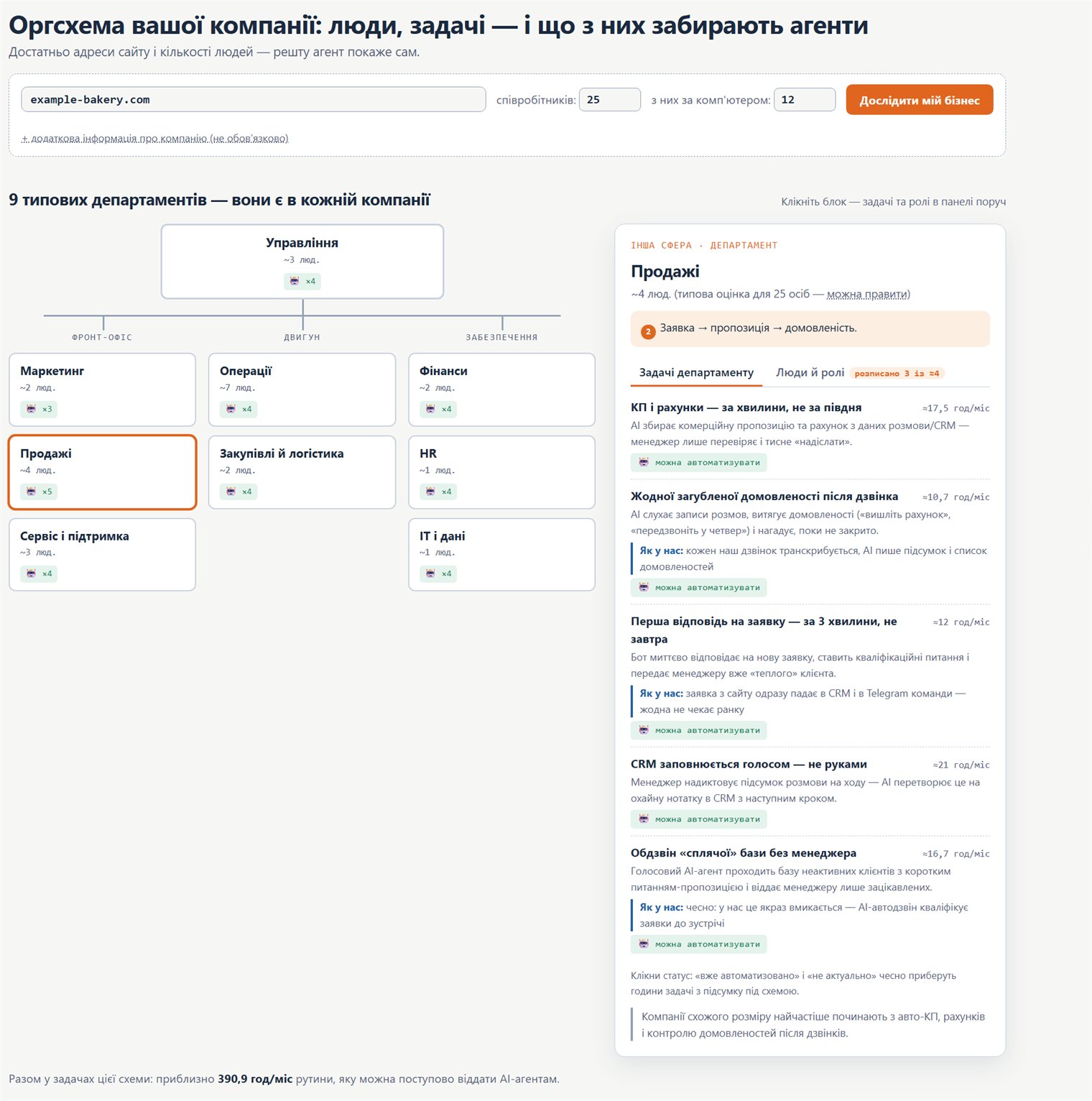
Org chart: how to move your company onto AI
A practical map: which company roles and processes AI agents can take over, where to start, and in what order to roll it out.