How to Present AI Implementation Results to Stakeholders Without Fluff
TL;DR
- •Identify 1–2 specific metrics that matter to your stakeholders (time, cost, accuracy).
- •Prepare a live demonstration of an automation working with real company data.
- •Document the results in a concise report that can be reviewed in 5 minutes.
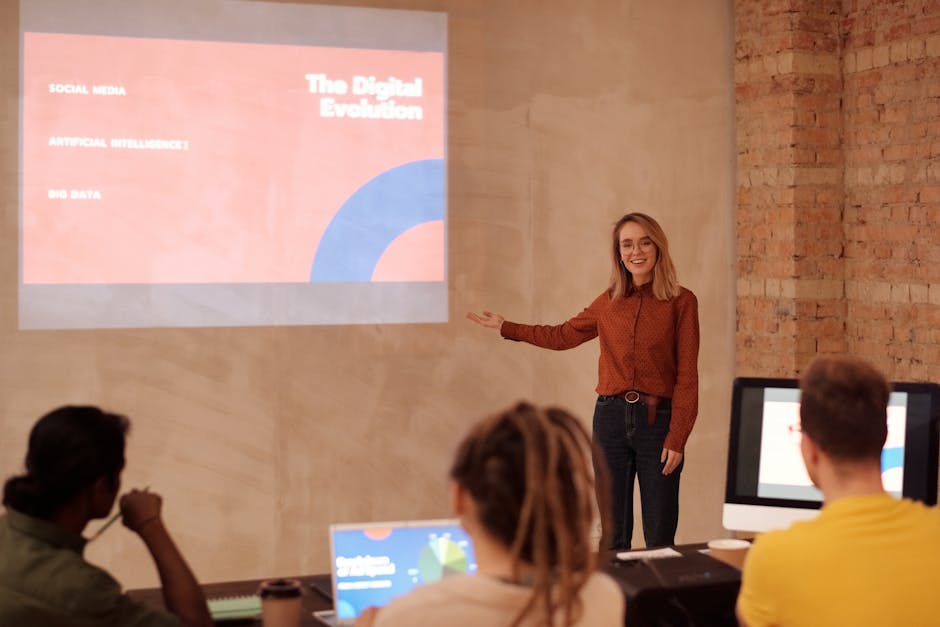
Partners and board members frequently ask: "How exactly has AI transformed our business?" You might find yourself offering dry numbers or vague statements that fail to convince. What you need is a straightforward way to showcase real results, free from marketing fluff.
What are the best metrics to show stakeholders?
Stakeholders need to see how AI directly impacts their interests: reducing routine time, lowering costs, or increasing accuracy. Choose a metric directly related to an agreement or service you provide. For example, the time to prepare a commercial proposal or the number of invoices processed per day.
How to prepare a demo without technical jargon?
First, select one automation that is already operational with your data. During the presentation, run it live so stakeholders can observe the input and output in real-time. If the automation uses an external service, show how data enters and returns, but avoid delving into code details.
What's the most convenient report format?
Create a single-page document with three sections: the problem automated, the metric before and after, and a brief quote from an employee using the tool. Such a report is easy to read and doesn't require technical knowledge.
Step-by-Step Plan: How to Showcase Results in Two Weeks
Week 1 – Preparation
- Day 1–2. Gather feedback from stakeholders on specific pain points they wish to improve (ask 3–5 individuals).
- Day 3. Select one of these pain points that can be solved by an existing AI automation your team already has (e.g., proposal generator or call transcription).
- Day 4–5. Ensure access to real data needed for the demonstration (e.g., proposal templates or call recordings in CRM). If data is sensitive, create an anonymized copy.
- Day 6. Prepare a short screencast or a live session demonstrating how the automation takes input and produces results. Keep it under 5 minutes.
- Day 7. Review the material with colleagues, refine any unclear points, and prepare the single-page report using the template from the section above.
Week 2 – Presentation
- Day 8. Schedule brief meetings with each stakeholder or board committee (15–20 minutes).
- Day 9–10. During the meeting, first, remind them of the problem, then show the live automation demonstration.
- Day 11. Distribute the prepared report and allow 5 minutes for questions.
- Day 12. Collect feedback: did stakeholders understand the impact, and do they need additional information?
- Day 13–14. Make adjustments to the report or demonstration based on the feedback received and repeat the presentation where necessary.
Checklist: What to Verify Before a Stakeholder Meeting
✅ Specific metric identified (time, cost, accuracy). ✅ Demonstration uses real company data. ✅ Live demo duration does not exceed 5 minutes. ✅ Single-page report prepared with sections: problem, before/after metric, quote. ✅ Answers prepared for three typical questions: "How much time is saved?", "Does quality change?", "Is additional setup required?"
Definition: Automation
Definition: Automation is a process where AI executes a predefined, agreed-upon scenario on company data without continuous human intervention.
Definition: Working Automation
Definition: A working automation is a tool that regularly executes its scenario on production data and meets predefined criteria for accuracy and reliability.
Definition: ROI (Return on Investment)
Definition: ROI is the ratio of net profit or savings from AI implementation to the costs of its development and deployment, expressed as a percentage.
How this works on our side: Our corporate program format includes 4 live, 2-hour sessions over 2 weeks, plus a recorded video course for each participant. One group accommodates up to 20 employees for a single fixed price – 99,999 UAH. The program guarantees a minimum of 3 working automations on tasks identified by the company as priorities, with a money-back guarantee. https://course.aiadvisoryboard.me/corporate?utm_source=blog&utm_medium=article_body&utm_campaign=corporate
FAQ
Do we need to calculate monetary savings to show results? Not necessarily. Often, demonstrating time reduction for a specific task or a decrease in errors is sufficient. If a stakeholder requests monetary figures, calculate savings based on average labor rates or the cost of rectifying errors.
If our automation only works with test data, is that suitable for a demonstration? For an initial presentation, it's best to use real or as-close-as-possible data so stakeholders can see how the tool performs in a production environment. If real data isn't available, explain the steps needed to transition to real data and how this will impact the outcome.
How much time should be allocated for preparing a demonstration? In our experience, 5–8 hours of work are sufficient for data gathering, screencast setup, and creating the single-page report. This can be spread over two working days without significant disruption to primary duties.
Do we need IT department approval before the demo? If the automation uses already approved tools and data that you are authorized to access, additional permissions are generally not required. If external APIs are involved or database access is modified, coordinate with the relevant IT department.
How often should we update metrics for stakeholders? It is recommended to update the report quarterly or after the completion of each significant phase of new automation deployment. This demonstrates that the impact is systemic, not a one-off event.
Conclusion
Presenting AI implementation results without fluff is achievable by focusing on specific metrics, a live demonstration, and a concise report. By following this two-week plan, you will produce material that stakeholders can grasp in minutes.
Start tomorrow with the first step: ask three stakeholders or board members which pain point they'd like to improve with AI, and record their responses. This forms the foundation for your subsequent demonstration.
Frequently Asked Questions
Read with AI
Open this article in your assistant — it will summarize it and help apply it to your company.
Show the prompt
Read the article https://aiadvisoryboard.me/blog/jak-pokazati-partneram-rai-rezultat-ai-bevodi.md and summarize the key points. Then ask me about my company (industry, team size, what takes the most time) and explain which ideas from the article apply to us and where to start.

Implements AI agents in companies and teaches founders and their teams to work with them — through courses and corporate programs.
This article was prepared with AI assistance, based on Yaroslav Maxymovych's methodology and materials. Spotted an inaccuracy — let us know via the form below.
Your company's first 3 AI automations — in 2 weeks
A corporate AI-transition program: 4 live sessions with your team plus a video course for every employee. Up to 20 people for one fixed price. If it doesn't work — money back.
New case studies on AI adoption — in your inbox
Once a week: practical breakdowns of what companies automate with AI and what actually comes out of it.
No spam. Unsubscribe anytime.
Related Articles

How to Verify AI Automation Before Launching Into Production: Acceptance Checklist
Before launching AI automation into production, you need to verify that it works on your data, in your tools, and executes the scenario agreed upon with your company. Here’s the acceptance checklist…
Read more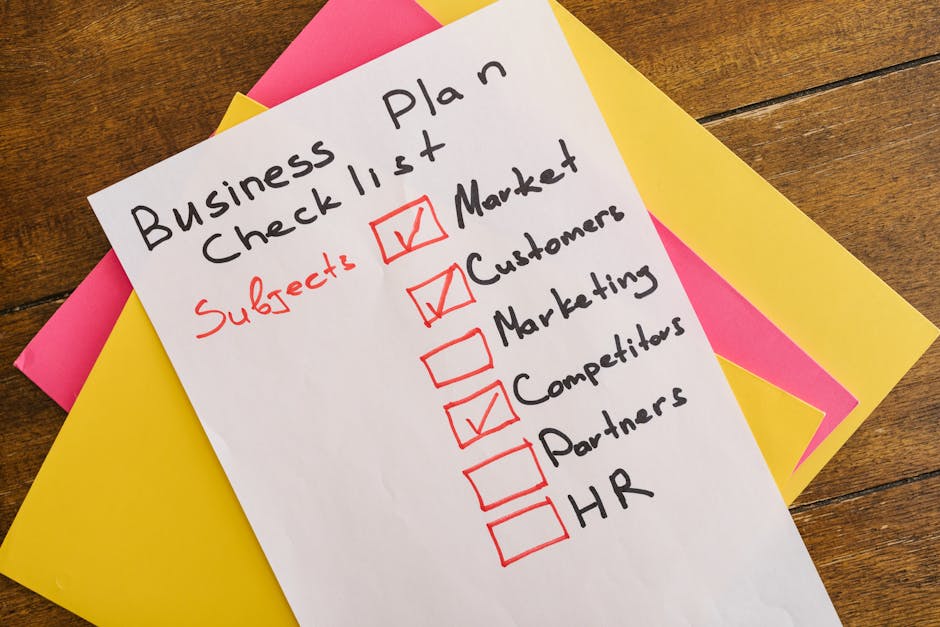
Signs Your AI Adoption Is Going Off Track: Early Diagnosis for Founders
Spot early signs your AI adoption is off track: 5 concrete indicators a founder can check without technical skills.
Read more
AI Hallucinations in Client Workflows: How to Build a Check That Won’t Lose You Customers
AI hallucinations in client communication lead to lost trust. How to build a check that catches fabricated information before sending — and keeps your clients — practical checklist for company…
Read more