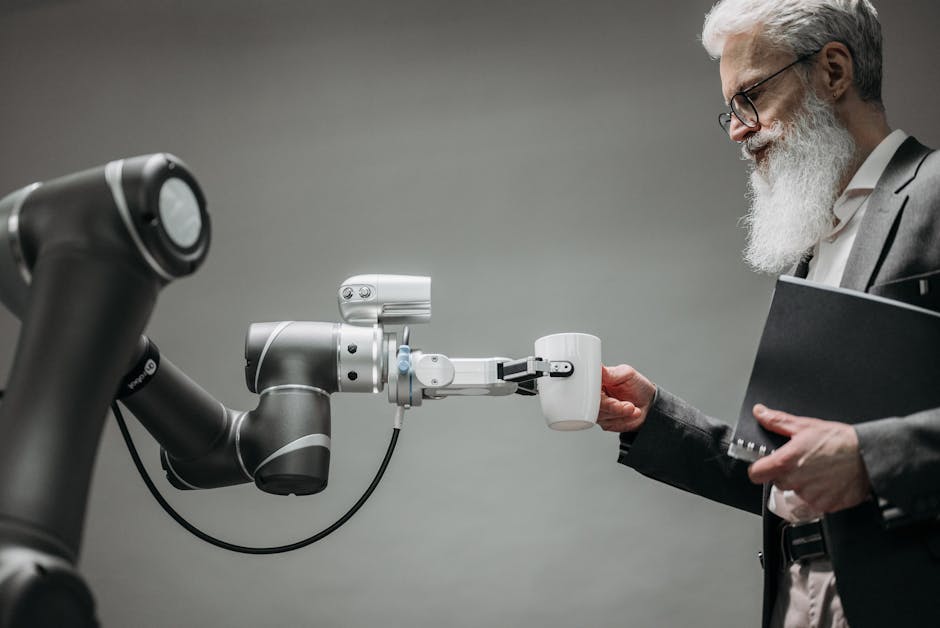
What Actually Changes in a Company After the First Working AI Automation
TL;DR
- •First working AI automations trigger shifts in organized routine.
- •Task execution speed increases, boosting overall productivity.
- •Teams gain new tools that let them focus on higher-value work.
In companies that have already deployed their first working automation, new opportunities and challenges often emerge. The main ones are changes in organizational structure, increased productivity, and shifts in work processes.
What Changes Happen in the Company?
After deploying the first working AI automation, a whole range of changes occurs in the company. The most noticeable are:
- Increased efficiency. Employees, freed from routine tasks by automation, can dedicate more time to analytics and creative work.
- Reduced errors. AI systems, when properly configured, can reduce human error rates, which in turn improves service quality.
- Changes in organizational structure. Often, there arises a need for new roles—AI specialists who can maximize the effectiveness of the new tools.
Checklist: What to Consider After Launching Automation
✅ Assess impact: Determine how the AI automation changed work processes; interestingly, calculate how much time was freed up. ✅ Gather feedback: It's important to collect team feedback on how the new tools affected their work. ✅ Evaluate ROI: Determine the return on your investment in new technologies—this helps decide whether to continue deploying new systems.
How This Looks on Our Side:
In our program, participants can launch their first micro-automation by the second session. This doesn't just boost productivity—it builds a foundation for further company changes. The program includes creating at least three automations tailored to your business needs, with a money-back guarantee. https://course.aiadvisoryboard.me/corporate?utm_source=blog&utm_medium=article_body&utm_campaign=corporate
FAQ
**What's the first task that usually prompts automation? Typically, it's routine tasks that consume a lot of time. Examples: processing applications, filling out forms, data analysis.
How do you know if the team is ready for automation?
It's important to gather team feedback during automation testing—this helps reveal gaps in training.
What risks can arise with AI automation implementation?
The main risks are configuration errors in automations and insufficient team training.
Conclusion
First AI automations can meaningfully transform company operations, increasing productivity and reducing routine. If you're ready to learn how this could work for you, start with a free consultation to discuss your real challenge.
Frequently Asked Questions
The pillar guide for "Ризики і заперечення (засновник)" linking every article in this cluster.

Implements AI agents in companies and teaches founders and their teams to work with them — through courses and corporate programs.
This article was prepared with AI assistance, based on Yaroslav Maxymovych's methodology and materials. Spotted an inaccuracy — let us know via the form below.
Your company's first 3 AI automations — in 2 weeks
A corporate AI-transition program: 4 live sessions with your team plus a video course for every employee. Up to 20 people for one fixed price. If it doesn't work — money back.
New case studies on AI adoption — in your inbox
Once a week: practical breakdowns of what companies automate with AI and what actually comes out of it.
No spam. Unsubscribe anytime.
Related Articles

Cheap vs Expensive AI Training for Your Team: What's the Real Difference?
Cheap AI training often means access to lectures; expensive ones mean practice with a result guarantee. Understanding what's included in the cost helps avoid spending on what won't deliver working…
Read more
DIY Company AI Audit: Founder's One-Evening Checklist
Practical AI audit checklist for business owners: spot repetitive work, prep data, and define first automation steps in one evening — no external consultants needed.
Read more
How Many Employees to Include in Your First AI Cohort (and Who to Leave Behind)
How to calculate the optimal number of people for your first AI training cohort to avoid overloading your company and deliver early automations. Practical selection criteria.
Read more