Gemini 3.5 Flash
At a glance
- Price per 1M tokens (input)
- $1.50
- Price per 1M tokens (output)
- $9.00
- Context
- 1,048,576 tokens
- Free access
- yes (see below)
Refreshed daily; data verified September 29, 2026. Published August 9, 2026.
The Gemini model is designed for businesses and organizations that require advanced image understanding and reasoning capabilities. It is particularly suited for tasks that involve analyzing and interpreting visual data, as well as those that require step-by-step reasoning and problem-solving. The vendor's approach to developing this model is distinguished by its emphasis on tool calling, which refers to the ability of the model to call upon and utilize external functions or tools to enhance its capabilities. This allows the model to leverage a wide range of resources and expertise, making it a powerful tool for a variety of applications. By combining image understanding with tool calling and step-by-step reasoning, the Gemini model provides a unique and robust solution for businesses looking to automate complex tasks and gain insights from visual data.
Specifications & pricing
| Input (per 1M tokens) | $1.50 |
|---|---|
| Output (per 1M tokens) | $9.00 |
| Cache read (per 1M tokens) | $0.15 |
| Context window | 1,048,576 tokens |
| Max output | 65,536 tokens |
| Capabilities | images, tool calling, reasoning |
LiteLLM community dataset (MIT), verified September 29, 2026. Official Google (Gemini) pricing.
What Gemini 3.5 Flash would cost on your workload — run it through the cost calculator →
Where to try Gemini 3.5 Flash for free
- Google (Gemini) offers a free chat — Gemini (free plan). A vendor's free chat may run a different model from the same family — the exact model is not guaranteed.
- 🎁 On our promo-codes page: Gemini for free: access and discounts.
Frequently asked questions
What is the Gemini model good for+
The Gemini model is good for tasks that involve analyzing and interpreting visual data, such as image classification and object detection, as well as tasks that require step-by-step reasoning and problem-solving, such as automated troubleshooting and decision-making
How do I get started with the Gemini model+
To get started with the Gemini model, users can begin by reviewing the model's documentation and guidelines, which provide information on how to integrate the model into their existing workflows and applications, as well as how to prepare and format their data for optimal performance
How does the Gemini model differ from other models in the line+
The Gemini model differs from other models in the line in its unique combination of image understanding, tool calling, and step-by-step reasoning capabilities, which make it particularly well-suited for tasks that require the analysis and interpretation of visual data, as well as the ability to leverage external resources and expertise
What are the limitations of the Gemini model+
The limitations of the Gemini model include its reliance on high-quality and well-formatted data, as well as its potential vulnerability to bias and errors in the data or external tools and resources that it utilizes, which can impact its performance and accuracy
Compare with others
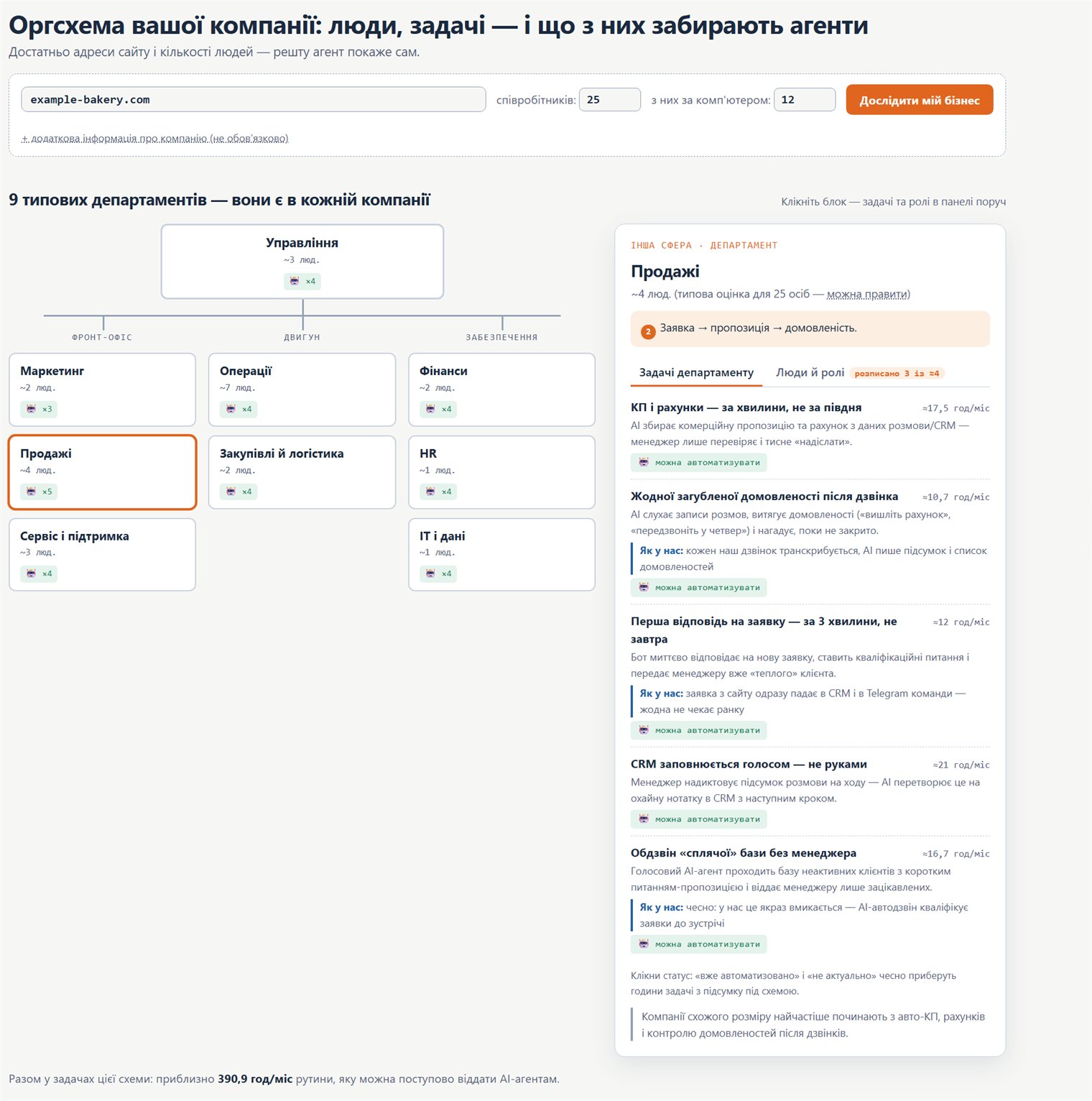
Org chart: how to move your company onto AI
A practical map: which company roles and processes AI agents can take over, where to start, and in what order to roll it out.